


Designing New Foods: A Creative Way to Teach STEM, Design Thinking, and Real-World Problem Solving
What if students could explore STEM, science, engineering, and creativity by inventing foods that don’t exist yet?
The SOLIDWORKS Apps for Kids “Designing New Foods” lesson invites students to step into the role of innovators—combining imagination with hands-on digital design to explore how new foods are created, improved, and produced. This engaging, classroom-ready activity helps students connect STEM learning to real-world challenges they recognize from everyday life, making learning both meaningful and fun.
Turning Curiosity into STEM Creation
The lesson begins with guided discussion prompts that encourage students to think critically about the foods they already know. Why do seedless grapes exist? How do farmers and scientists create new varieties of plants? What makes certain foods healthier, easier to grow, or more sustainable?
These questions spark curiosity and set the stage for exploration. Students are encouraged to reflect, share ideas, and imagine how combining features from different foods could lead to new and improved outcomes. This inquiry-based approach helps students develop communication skills and lays a strong foundation for deeper learning.
Hands-On 3D Design with Kid-Friendly Tools

Once ideas start flowing, students move into the design phase using SOLIDWORKS Apps for Kids. With intuitive, clay-like modeling tools, students can:
- Build new food designs from scratch or remix existing models
- Shape and refine ideas using simple geometric forms
- Experiment freely without fear of “getting it wrong”
Because the tools are easy to learn and highly visual, students can focus on creativity and problem-solving rather than technical complexity. As they iterate on their designs, they learn an essential engineering mindset: improvement comes through testing, feedback, and revision.
Bringing Ideas to Life with Color, Style, and Printing

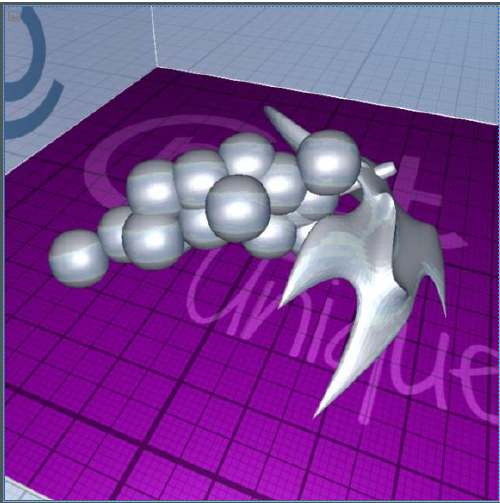
After modeling, students decorate their creations using styling tools that add color, texture, and visual detail. This artistic step allows students to express individuality while also thinking about realism and presentation.
For classrooms with access to printers, the lesson can extend even further. Students can prepare their designs for 2D or 3D printing, transforming digital ideas into tangible objects. Seeing a physical version of their design reinforces the connection between digital tools and real-world applications—and often becomes a powerful moment of pride and motivation.
Connecting Design to the Real World
The lesson doesn’t stop at creating models. Structured discussion prompts guide students to think about:
- How their new foods could improve health or sustainability
- How food production impacts communities
- Careers related to agriculture, nutrition, engineering, and biofuel development
An optional Design Thinking extension allows students to explore complex, real-world challenges such as sustainable farming, food waste, energy use, and environmental impact. These scenarios encourage collaboration, research, and systems thinking, making the lesson adaptable for older students or longer project-based STEM learning units.
Designed with Educators in Mind
For teachers and parents, this lesson plan is thoughtfully structured to reduce prep time and maximize classroom impact. The full lesson includes:
- Step-by-step teaching guidance
- Discussion questions and reflection prompts
- An educator rubric for assessment
- Standards alignment for science, engineering, and math
- Flexible timing, from short activities to multi-hour projects
Whether used in a classroom, makerspace, after-school program, or at home, the lesson supports creativity, perseverance, and confidence—skills that extend far beyond STEM.
Access the Full Lesson and More STEM
This article offers just a glimpse of what the Designing New Foods lesson provides. The complete lesson plan – along with many other classroom-ready activities – is available through the SOLIDWORKS Apps for Kids Classroom platform.
👉 Create a free Classroom account to access the full lesson, educator resources, and a growing library of activities designed to inspire young learners to create, invent, and shape their futures.
Because when students design something of their own, learning becomes personal and unforgettable.
Back to Blog